
Why Are RAM and GPU Prices Going Up? What It Means for Your Gadgets and AI Subscriptions
If you’ve shopped for a laptop, a graphics card, a game console or even a smart speaker lately, you’ve probably noticed: prices are going up, not down. And with Nvidia’s CEO stepping down this week, many people are wondering what comes next.
Here’s what’s really behind the price increases, what Nvidia and AMD have done, and what it means for the gadgets and AI tools you use every day.
The short answer: AI data centers are buying huge amounts of memory, and memory makers are giving them priority. That leaves less RAM for PCs, phones, graphics cards and smart devices, so prices go up. Nvidia and AMD have reportedly raised what they charge graphics card makers several times in 2026, and Amazon raised prices on Echo, Kindle and Fire TV devices, citing memory costs. Nvidia’s leadership change doesn’t, by itself, change prices: the memory shortage does. Expect high prices into 2027, buy what you need during sales, and remember that you don’t need expensive hardware to use AI.
Why RAM prices are going up
Every AI chatbot runs on servers in data centers, and those servers need enormous amounts of fast memory. The few companies that make memory chips (mainly Samsung, SK hynix and Micron) earn more from server memory, so they’re shifting production toward it.
The result is a shortage of ordinary memory for consumer devices:
- Record increases: market research firm TrendForce projected that PC memory contract prices would rise by more than 100% in the first quarter of 2026 alone, the biggest quarterly jump it had ever recorded.
- Still rising: for the fourth quarter of 2026, TrendForce expects conventional memory prices to rise another 10–15%, and storage (NAND flash) 15–20%.
- AI comes first: some analysts estimate that up to 70% of memory chips made in 2026 will go to AI data centers.
Building new memory factories takes years, so this won’t be fixed quickly.
What has already gone up
| Product | Before | After | Why, according to the company or reports |
|---|---|---|---|
| Echo Dot (5th gen) | $49.99 | $79.99 (Aug 2026) | Amazon cited higher memory and storage costs |
| Kindle (16GB) | $109.99 | $149.99 (Aug 2026) | Same reason cited by Amazon |
| Fire TV Stick 4K Max | $59.99 | $84.99 (Aug 2026) | Same reason cited by Amazon |
| Nintendo Switch 2 | $449.99 | $499.99 (Sept 2026) | Nintendo cited changing market conditions; reports link it to memory costs |
| GeForce RTX 5070 (median price, Newegg) | $659.99 (June) | $899.99 (Aug 2026) | Price tracking by Tom’s Hardware |
The memory shortage isn’t the only reason prices change, but it’s the one companies mention most often this year.
Nvidia and AMD: what they’ve done
Nvidia and AMD design most of the world’s graphics chips. They sell them to brands like ASUS, MSI and Gigabyte together with the graphics memory, so when memory costs rise, the whole package costs more.
- Nvidia has reportedly raised the price of these chip-and-memory packages three times in 2026: about 10–15% in January, a surcharge on the RTX 5090 in May, and 20–30% across the GeForce RTX lineup in the summer.
- AMD reportedly raised its Radeon packages by about 10% in July 2026, its second increase in six months.
These are prices charged to graphics card makers, reported by industry sources, and the companies don’t always confirm them. How much reaches store shelves depends on each brand and retailer. But price tracking shows that many cards cost far more than they did a few months ago.
Does Nvidia’s CEO change affect prices?
On November 12, 2026, Nvidia announced that founder Jensen Huang had resigned as CEO and board member, effective immediately. Chief financial officer Colette Kress is interim CEO, and Harvey C. Jones, former CEO of Synopsys, is the board’s first chair. The board said it expects operations, customer commitments and the product roadmap to continue without interruption.
What it means for you: nothing in Nvidia’s announcement points to changes in prices or products. Graphics card prices are being pushed mainly by memory costs, which depend on memory makers and on demand from AI data centers. Nvidia reports its quarterly results on November 17, which may say more about demand and supply. We’ll update this article if anything changes for buyers.

Will you pay more for less?
Sometimes, yes. TrendForce notes that memory shortages force device makers to either raise prices or cut specs. In practice that can mean:
- the same product at a higher price (like the Echo and Kindle price increases);
- new models that keep the price but come with less memory or storage;
- bigger price gaps between the base model and versions with more memory.
Tip: before buying, compare the memory (RAM) and storage of the model you’re looking at with last year’s version. A lower price can hide a smaller spec.
What about AI subscriptions?
Running ChatGPT, Claude or Gemini also needs these chips, so the AI companies feel the same costs. The popular $20-a-month plans haven’t changed much, but the plans around them have:
- Ads: ChatGPT now shows ads on its Free and Go plans in several countries.
- More expensive tiers: ChatGPT Pro now goes up to $500 a month, and Claude has Max and Ultra plans at $100 and $200.
- Usage limits: most AI services cap how much you can use them, especially on cheaper plans. See our guide to Claude’s 5-hour and weekly limits.
The companies don’t always say why they change their plans, so we can’t claim chip costs are the only reason. Our ChatGPT vs Claude vs Gemini comparison shows what each plan costs today.
Should you buy now or wait?
- If you need it, buy it during a sale. Analysts don’t expect memory prices to fall soon, and memory maker Micron expects supply to stay tight through 2028. Waiting for a big drop may not pay off.
- Check the price history first. Black Friday “deals” can still be higher than last spring. Our guide explains how to see Amazon price history with Alexa, and how to use AI to find real Black Friday deals.
- Consider last year’s model or refurbished. Devices made before the price increases can be better value, as long as they still get updates.
- Don’t pay for memory you won’t use. A graphics card or laptop with more memory costs much more now. Most people browsing, streaming and using AI tools don’t need the top configuration.
- You don’t need a powerful computer to use AI. ChatGPT, Claude and Gemini run in the cloud. Any recent phone or laptop with a good internet connection is enough.
The bottom line: prices are going up because of memory, not because of who runs Nvidia. Buy what you really need, compare prices before you pay, and don’t feel you need expensive hardware to enjoy AI.
Have you noticed higher prices on your tech wishlist lately? Tell us in the comments.
FAQ
Why is RAM so expensive in 2026?
Because AI data centers are buying huge amounts of memory, and memory makers are prioritizing server chips. Less memory is left for consumer devices, and building new factories takes years.
Will RAM prices go down?
Not soon, according to market researchers. TrendForce expects memory prices to keep rising in the fourth quarter of 2026, and memory maker Micron expects supply to stay tight through 2028.
Why are graphics cards so expensive right now?
Graphics cards use a lot of memory. Nvidia and AMD have reportedly raised the prices they charge card makers several times in 2026, mostly because of memory costs, and store prices have followed.
Does Jensen Huang’s resignation affect GPU prices?
Not directly, as far as we can tell. Nvidia said it expects its operations and product roadmap to continue without interruption, and graphics card prices are driven mainly by memory costs.
Do I need a powerful computer to use AI tools?
No. Popular AI assistants run on the companies’ servers. A recent phone, tablet or laptop and an internet connection are enough.
Will AI subscriptions get more expensive?
Prices of the main $20 plans have been fairly stable, but companies are adding ads to cheaper plans, creating pricier tiers and setting usage limits. Check each company’s pricing page before you subscribe.
Sources
- NVIDIA announces CEO transition (Form 8-K), NVIDIA via SEC, November 2026
- Memory price outlook for 1Q26 sharply upgraded, TrendForce, February 2026
- AI keeps memory prices climbing in Q4, Evertiq (TrendForce data), October 2026
- Memory wall: AI compute sparks memory supercycle, TrendForce, January 2026
- Amazon just raised Echo, Kindle and Fire TV prices, TechRepublic, August 2026
- Amazon quietly hiked prices on Echo, Fire TV, Kindle and eero, Fortune, August 2026
- Nvidia expected to raise GeForce RTX GPU prices again by up to 30%, Notebookcheck, 2026
- GeForce RTX 50 pricing as the memory crisis takes hold, TweakTown (Tom’s Hardware price tracking), August 2026
- AMD to raise Radeon GPU kit prices by around 10%, TrendForce News, 2026
- Nintendo Switch 2 gets a price hike, Notebookcheck, May 2026
- Micron warns memory shortage will get worse through 2028, TechRepublic, October 2026
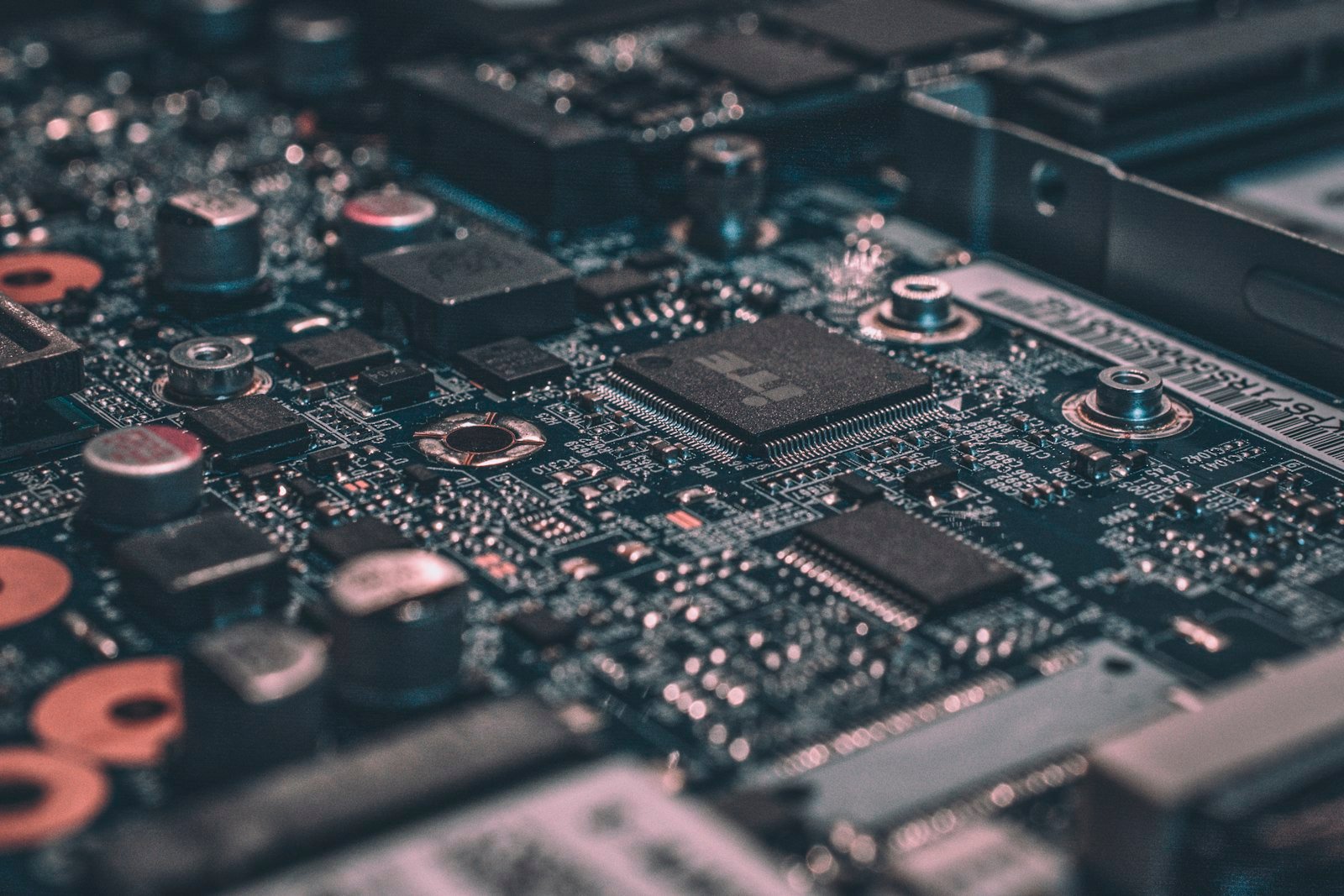
Featured image: Photo by Alexandre Debiève on Unsplash.